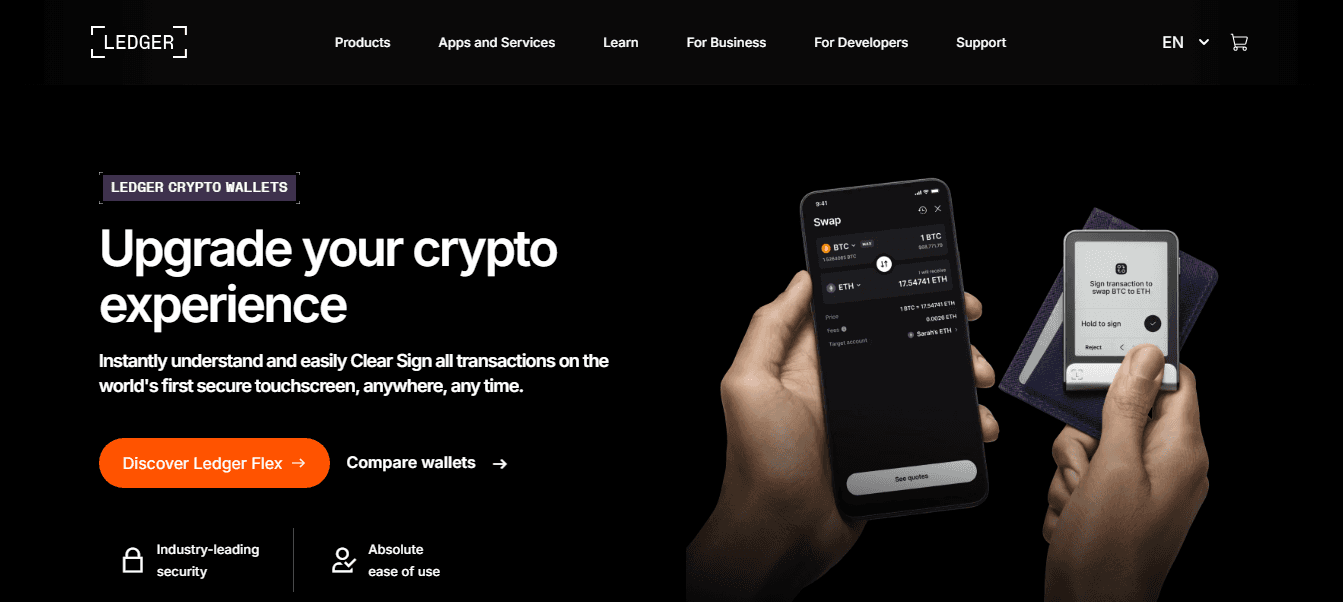
Ledger Live Login: Complete Guide for Secure Access
Ledger Live is the official portfolio management application designed to help users manage their Ledger hardware wallet, track crypto assets, and execute transactions safely. A smooth and secure login experience is essential, as it is the first layer of protection before interacting with your digital assets. Understanding how Ledger Live login works, what it requires, and how to troubleshoot issues ensures you stay in control of your crypto at all times.
What Is Ledger Live Login?
Unlike traditional online platforms, Ledger Live does not use online accounts or cloud-based logins. Instead, the login process centers around securing access to the application on your device and connecting your Ledger hardware wallet. This design ensures that your private keys never leave the hardware wallet and your cryptocurrency remains offline and protected.
When people refer to “Ledger Live login,” they generally mean:
Accessing the Ledger Live desktop or mobile app
Unlocking the application using a password lock (if enabled)
Connecting and verifying the Ledger hardware wallet
Confirming your identity through the device’s PIN code
This combination of software and hardware verification enhances overall security and prevents unauthorized access.
Setting Up Ledger Live Before Login
Before you can log in, you must install Ledger Live on your desktop or mobile device. During the first setup, the app will guide you through:
Choosing the Ledger device you own
Initializing your hardware wallet
Setting up or restoring your wallet seed phrase
Creating an application password
Once these steps are completed, you can easily log into Ledger Live to check balances, send and receive crypto, or manage staking features.
How Ledger Live Login Works
The login flow prioritizes device-level security. Depending on your configuration, you may encounter the following steps each time you open the app:
1. Opening the Ledger Live Application
When you launch Ledger Live, the app may prompt you to enter the password you previously set. This password protects your portfolio data stored locally on your device.
2. Entering Your Ledger Live Password
If the password lock feature is enabled, you must type the correct password to unlock the interface. This prevents unauthorized users from viewing your crypto balances or modifying your settings.
3. Connecting Your Ledger Hardware Wallet
To perform any critical actions—such as sending crypto, pairing new accounts, or verifying transactions—you must connect your Ledger Nano S, Nano S Plus, or Nano X via USB cable or Bluetooth (for compatible devices).
4. Entering Your Ledger Device PIN
When the app requires the hardware wallet for verification, you must unlock your Ledger device using its PIN code. This is a mandatory security step and ensures only the authorized owner can approve transactions.
This two-layer login experience is a major reason Ledger is considered safer than software-only wallets.
Common Ledger Live Login Issues and Solutions
Even though the process is straightforward, users may sometimes encounter login problems. Here are the most common issues and how to solve them.
Forgotten Ledger Live Password
If you forget the application password, you can reset Ledger Live. Doing this does not affect your crypto assets. After resetting, you will need to reconfigure the app and restore your accounts using your Ledger hardware wallet.
Hardware Wallet Not Detected
If Ledger Live does not detect your connected device:
Ensure USB cables and ports are functioning
Update the Ledger Live app and device firmware
Close other apps that may interfere with USB or Bluetooth connections
Try a different USB port or cable
These steps often resolve detection problems quickly.
Incorrect PIN Attempts
Entering the wrong PIN on your Ledger device multiple times may trigger a security reset. If this happens, you can restore your wallet using your 24-word recovery phrase. Ensure this phrase is always written down offline and never stored digitally.
Ledger Live Crashes or Freezes
Performance issues may occur if the app is outdated or your system resources are limited. Reinstalling or updating the app typically resolves these issues, and your assets remain safe because they are secured by the hardware wallet—not the software.
Security Tips for Ledger Live Login
To keep your login experience safe, follow essential security practices:
Never store your recovery phrase on your computer or online
Use Ledger Live only from the official source
Enable password lock within Ledger Live
Keep the device firmware updated
Avoid connecting your Ledger device on untrusted computers
Double-check all transaction details on the device screen before approving
These steps help ensure your assets remain secure from unauthorized access or malicious software.
Why Ledger Live Login Is Designed This Way
The login mechanism is intentionally different from centralized platforms because Ledger operates on decentralization principles. There are no online usernames, no cloud logins, and no server-stored credentials. Everything is controlled by the user through:
Local password protection
Hardware-based authentication
Offline private key storage
This combination gives you maximum control over your cryptocurrency.
Final Thoughts
Understanding how to properly log into Ledger Live is essential for managing your digital assets safely. The application’s login process is simple yet highly secure, relying on a combination of software and hardware verification. Whether you're checking balances, sending crypto, or managing multiple accounts, the login system ensures that only you have access. By following best practices and maintaining your device carefully, you can enjoy a smooth, secure experience with Ledger Live every day.